Winter Sleep Tips: Staying Warm Without Overheating

Introduction: The Winter Sleep Paradox
Winter nights present a unique sleep challenge: how do you stay comfortably warm without overheating? It's a delicate balance that many people struggle with during the colder months. You pile on extra blankets to ward off the chill, only to wake up sweating in the middle of the night. Or you keep the room cool and find yourself shivering, unable to fall asleep.
The truth is, temperature regulation is one of the most critical factors for quality sleep, and winter makes it particularly tricky. Your body needs to drop its core temperature by about 1-2 degrees Celsius to initiate sleep, but cold extremities and a chilly bedroom can prevent you from getting comfortable in the first place. Meanwhile, overheating disrupts sleep cycles and can leave you feeling unrested despite spending hours in bed.
This comprehensive guide will help you navigate the winter sleep paradox with evidence-based strategies for staying warm and comfortable without overheating. From choosing the right bedding to optimizing your bedroom environment, you'll discover practical solutions that work with your body's natural temperature regulation to promote deep, restorative sleep all winter long.
Understanding Your Body's Temperature Regulation During Sleep
To master winter sleep comfort, it's essential to understand how your body regulates temperature throughout the night and why this process is so crucial for quality rest.
The Science of Sleep and Temperature
Your body temperature follows a circadian rhythm, naturally dropping in the evening as bedtime approaches. This temperature decline is actually a signal that triggers sleepiness—it's one of the ways your body knows it's time to rest. Your core temperature reaches its lowest point in the early morning hours, typically around 4-5 AM, before gradually rising again as you approach your natural wake time.
This temperature regulation isn't just coincidental—it's essential for sleep quality. The drop in core temperature facilitates the onset of sleep and helps you transition into deeper sleep stages. When your environment is too warm or you're bundled up excessively, you interfere with this natural cooling process, making it harder to fall asleep and stay asleep.
The Overheating Problem
Overheating during sleep is more disruptive than being slightly cool. When you're too warm, your body struggles to maintain the lower core temperature needed for deep sleep. This can lead to frequent awakenings, restless sleep, night sweats, and that frustrating feeling of being simultaneously too hot under the covers and too cold when you stick a leg out.
Research shows that the optimal bedroom temperature for sleep is between 15-19°C (60-67°F), which might feel quite cool when you're awake and active. This cooler environment supports your body's natural temperature drop and promotes better sleep quality.
The Cold Extremities Conundrum
Here's where it gets interesting: while your core needs to cool down, cold hands and feet can actually prevent you from falling asleep. Blood flow to your extremities plays a crucial role in heat dissipation. When your hands and feet are warm, blood vessels dilate, allowing heat to escape from your core. When they're cold, vessels constrict, trapping heat in your core and preventing the temperature drop needed for sleep.
This is why you might feel wide awake when your feet are cold, even if you're bundled under heavy blankets. The solution isn't to overheat your entire body, but rather to warm your extremities while keeping your core and head cool—a strategy we'll explore in detail throughout this guide.
Choosing the Right Winter Bedding
Your bedding choices have an enormous impact on temperature regulation during winter sleep. The right combination of materials and layers can keep you comfortably warm without causing overheating.
Understanding Tog Ratings and Warmth Levels
Tog ratings measure the thermal insulation of bedding—the higher the tog, the warmer the duvet. For winter, most people find 10.5 to 13.5 tog duvets appropriate, though individual preferences vary based on bedroom temperature, personal metabolism, and whether you sleep alone or with a partner.
If you tend to sleep hot or share a bed with someone who generates a lot of body heat, consider a lower tog rating (around 10.5) even in winter. If you're always cold or keep your bedroom quite cool, a higher rating (12-13.5 tog) might be more suitable.
Natural vs. Synthetic Fill Materials
The fill material of your duvet affects not just warmth, but also breathability and moisture management—crucial factors for preventing overheating.
Natural fills like down and feather provide excellent warmth-to-weight ratios and superior breathability. They allow moisture to escape while trapping warm air, creating a comfortable microclimate. Down is particularly effective at regulating temperature, keeping you warm without overheating. However, natural fills require more maintenance and aren't suitable for those with allergies.
Synthetic fills have improved dramatically in recent years. Modern synthetic duvets can provide good warmth and are hypoallergenic, machine-washable, and more affordable than natural options. However, they generally don't breathe as well as natural materials, which can lead to moisture buildup and overheating for some sleepers.
The Power of Layering
Rather than using one heavy duvet, consider a layering approach. Use a moderate-weight duvet (around 7-10 tog) as your base, and add a lightweight blanket or throw that you can easily remove if you get too warm during the night. This flexibility allows you to adjust your insulation throughout the night as your body temperature changes.
Layering also accommodates couples with different temperature preferences—each person can adjust their layers independently without affecting their partner's comfort.
Sheet Material Matters
Don't overlook your sheets when optimizing for winter sleep. Flannel sheets are a popular winter choice because they feel warm and cozy, but they can trap too much heat for some sleepers. High-quality cotton sheets (particularly long-staple cotton like Egyptian or Pima) provide a good balance of warmth and breathability.
Thread count isn't everything—focus on the quality of the cotton and the weave. Percale weaves are crisp and breathable, while sateen weaves are softer and slightly warmer. For winter, a sateen weave in quality cotton often provides the ideal combination of comfort and temperature regulation.
Mattress Considerations for Winter
Your mattress plays a significant role in temperature regulation. Some mattress types, particularly memory foam, tend to trap heat. If you sleep on a memory foam mattress and struggle with overheating, consider adding a breathable mattress topper to improve airflow and temperature regulation.
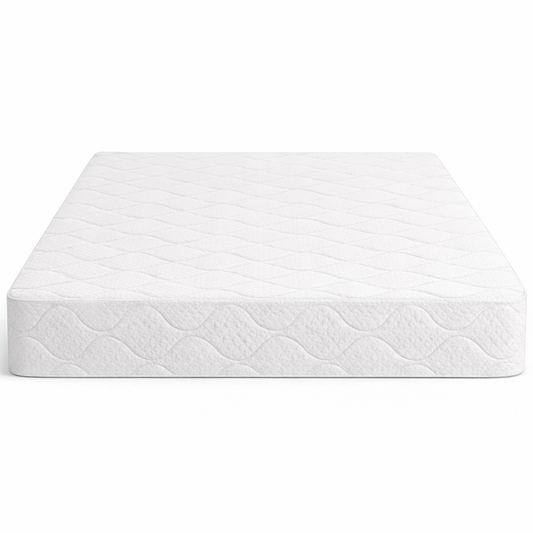
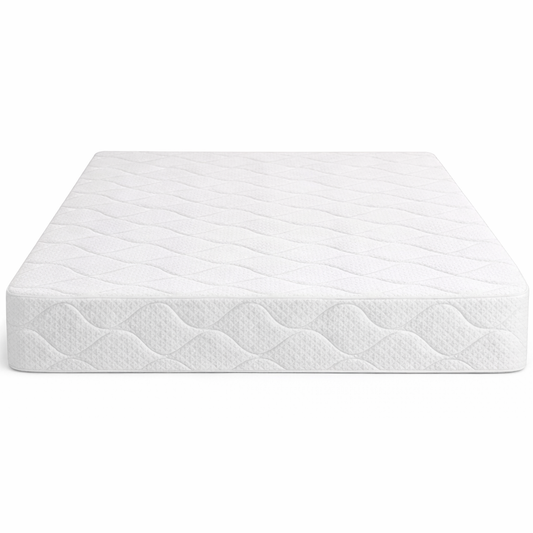
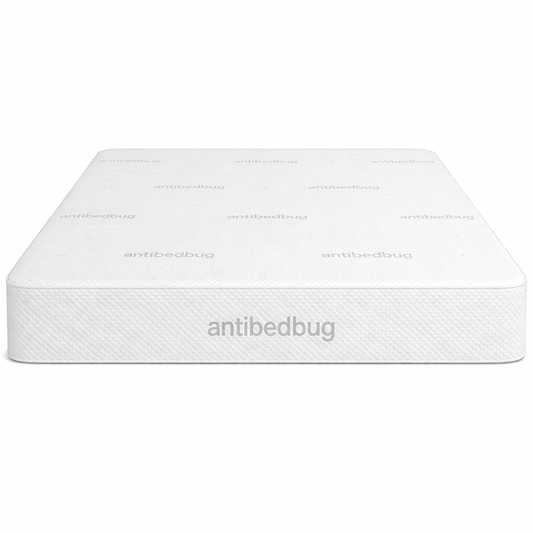
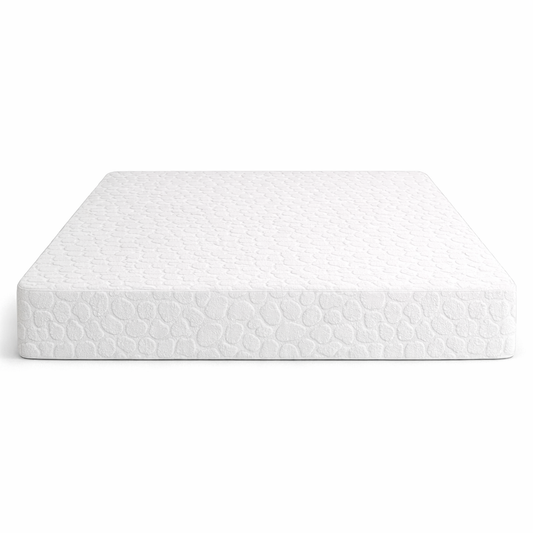
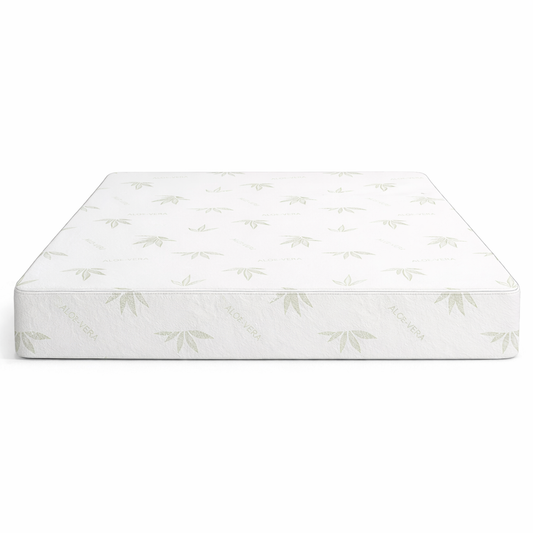
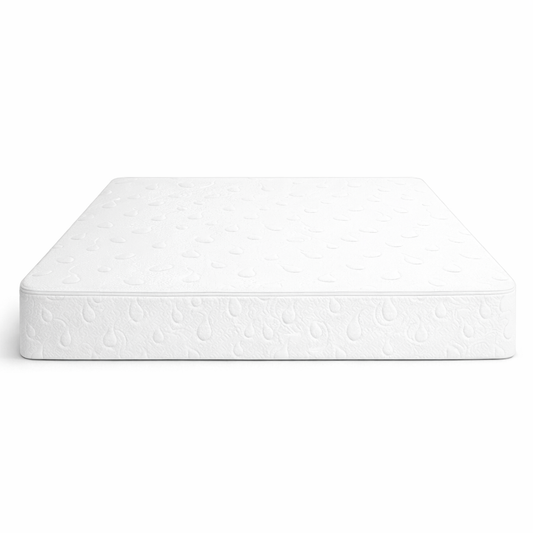
Our mattress toppers collection includes options designed to enhance comfort and temperature regulation. If you're considering a new mattress that better supports year-round temperature comfort, explore our PureCloud Mattresses, PureSleep Mattresses, and Utopia Mattresses ranges, which feature advanced materials designed for optimal temperature regulation.
Optimizing Your Bedroom Environment
Beyond your bedding, your overall bedroom environment significantly impacts your ability to stay warm without overheating during winter nights.
Finding Your Ideal Room Temperature
As mentioned earlier, the optimal sleep temperature is generally between 15-19°C (60-67°F). In winter, many people keep their bedrooms warmer than this, which can interfere with sleep quality. If you're struggling with night sweats or restless sleep, try lowering your thermostat by a degree or two.
If a cooler room feels uncomfortable initially, remember that you'll be under warm bedding. Give yourself a week to adjust to a cooler bedroom temperature—most people find they sleep better once they adapt.
Managing Heating Systems
If you use central heating, consider setting it to lower temperatures overnight or using a programmable thermostat that reduces heat during sleeping hours. Waking up to a slightly cool room is actually beneficial—the gradual temperature increase can help you wake more naturally.
Avoid placing your bed directly next to radiators or heating vents, as this creates uneven heating that can disrupt sleep. If your bedroom has radiators, you might turn them off at night while keeping other rooms at a comfortable temperature.
Humidity Control
Winter heating often creates very dry air, which can irritate your respiratory system and make you feel uncomfortable. Dry air can also make you feel colder than you actually are. Aim for bedroom humidity between 30-50%.
If your air is too dry, consider using a humidifier. However, be cautious not to over-humidify, as excessive moisture can promote mold growth and dust mites. If you wake up with a dry throat or stuffy nose, or if you notice static electricity, your air is likely too dry.
Ventilation and Fresh Air
It might seem counterintuitive, but fresh air circulation is important even in winter. Stale, stuffy air can disrupt sleep quality. If weather permits, crack a window slightly to allow fresh air circulation, and compensate with appropriate bedding.
If opening a window isn't practical due to extreme cold or noise, ensure your bedroom is well-ventilated during the day and consider using an air purifier to maintain air quality.
Blackout and Insulation
Heavy curtains or thermal blinds serve double duty in winter—they block light for better sleep and provide insulation against cold windows. Close them before sunset to trap warmth in your room, and ensure they're properly fitted to prevent drafts.
If you have particularly drafty windows, consider using draft excluders or temporary window insulation film. These inexpensive solutions can significantly improve your room's ability to maintain a comfortable temperature.
Strategic Warming Techniques
The key to winter sleep comfort is warming yourself strategically—focusing on the right areas at the right times without overheating your entire body.
Pre-Warming Your Bed
Getting into a cold bed can make falling asleep difficult. Pre-warming your bed makes it inviting and comfortable without causing overheating later in the night.
A hot water bottle placed in your bed 20-30 minutes before bedtime can warm your sheets beautifully. Remove it before you get in, or move it to the foot of the bed to keep your feet warm. Unlike electric blankets, hot water bottles provide warmth that gradually dissipates, preventing overheating.
If you prefer electric heating, use an electric blanket to pre-warm your bed, but turn it off before you get in. Sleeping with electric blankets on all night often leads to overheating and disrupted sleep. Some modern electric blankets have timers that automatically shut off after a set period—these can be ideal for winter sleep.
Warming Your Extremities
Remember the science we discussed earlier: warm hands and feet help your core temperature drop, facilitating sleep. Focus your warming efforts on your extremities rather than bundling your entire body.
Wearing bed socks is one of the most effective sleep strategies for winter. Choose socks made from natural, breathable materials like wool or cotton rather than synthetic fabrics. They should be comfortable and not too tight, as constriction can reduce circulation.
If you dislike wearing socks to bed, try warming your feet before bed with a warm foot bath, or place a hot water bottle at the foot of your bed. Some people find that warming their hands and feet for 20 minutes before bed significantly improves their ability to fall asleep.
The Right Sleepwear
What you wear to bed significantly impacts temperature regulation. The goal is to stay warm enough to be comfortable without trapping so much heat that you overheat.
Natural, breathable fabrics like cotton, bamboo, or merino wool are ideal for winter sleepwear. They provide warmth while allowing moisture to escape, preventing that clammy feeling that comes with overheating. Avoid synthetic materials like polyester, which trap heat and moisture.
Contrary to popular belief, you don't necessarily need heavy, thick pajamas. Lightweight, long-sleeved pajamas in breathable materials often provide better temperature regulation than heavy fleece or flannel. The key is breathability—you want to trap some warmth while allowing excess heat and moisture to escape.
Consider your coverage as well. If you tend to overheat, short sleeves or a tank top with long pajama bottoms might work better than a full set. Experiment to find what works for your body's temperature regulation.
Nightcaps and Head Covering
You lose significant heat through your head, which is why some people find wearing a light sleep cap helpful in very cold bedrooms. However, most people sleep better with their head cool, so this strategy works better for those who keep their bedrooms quite cold or have poor circulation.
If you try a sleep cap, choose something lightweight and breathable. Overheating your head can definitely disrupt sleep quality.
Timing Your Temperature Adjustments
When you make temperature changes matters almost as much as what changes you make. Strategic timing can enhance your body's natural sleep-wake rhythms.
Evening Warm-Up Routine
In the hour or two before bed, you can actually benefit from warming up slightly. A warm bath or shower 60-90 minutes before bedtime raises your core temperature temporarily. When you get out, your body temperature drops more rapidly than it would otherwise, and this enhanced temperature drop promotes sleepiness.
The bath or shower doesn't need to be extremely hot—comfortably warm is sufficient. The key is the timing: too close to bedtime and you'll still be warm when you try to sleep; too early and you'll miss the beneficial temperature drop.
Morning Cool-Down
Just as cooling down helps you fall asleep, warming up helps you wake up. If you struggle to get out of bed on cold winter mornings, program your heating to start warming your bedroom 30 minutes before your alarm. The gradual temperature increase can make waking easier and more pleasant.
Alternatively, exposure to cool air can be invigorating. Some people find that opening curtains to let in cool morning air helps them wake more alertly. Experiment to find what works best for your morning routine.
Adjusting Throughout the Night
Your temperature needs change throughout the night as you cycle through different sleep stages. Having easily adjustable layers allows you to adapt without fully waking.
Keep your bedroom setup simple enough that you can adjust covers or remove a layer in a semi-conscious state. Complicated bedding arrangements or sleepwear that's difficult to remove can lead to more complete awakenings when you need to adjust your temperature.
Special Considerations for Couples
Sharing a bed with a partner adds another layer of complexity to winter temperature management, especially if you have different temperature preferences.
The Two-Duvet Solution
Popular in Scandinavian countries, using two separate duvets instead of one large one allows each person to choose their preferred warmth level. One partner can use a lighter duvet while the other uses something warmer, and each can adjust their covering independently throughout the night.
This solution also eliminates the common problem of one person stealing the covers, and it allows for different sleeping positions without disturbing your partner's temperature comfort.
Zoned Heating Solutions
Some modern electric blankets and mattress pads offer dual-zone heating, allowing each side of the bed to be set to different temperatures. If you use this type of product, remember to turn it off or set it to shut off automatically—it's for pre-warming, not all-night use.
Mattress Considerations for Couples
If you and your partner have significantly different temperature preferences, consider a mattress designed to minimize heat transfer between sides. Some modern mattresses feature zoned construction or materials that prevent one person's body heat from affecting their partner's side of the bed.
Our PureCloud Mattresses, PureSleep Mattresses, and Utopia Mattresses collections include options designed with couples in mind, featuring advanced materials that support individual temperature regulation.
Communication and Compromise
Open communication about temperature preferences is essential. Rather than engaging in thermostat wars, discuss your needs and experiment with solutions together. Often, the partner who sleeps hot should take priority in setting the room temperature, while the partner who sleeps cold can add layers or use localized warming strategies.
Health Conditions and Temperature Sensitivity
Certain health conditions can affect temperature regulation and require special consideration during winter months.
Menopause and Hormonal Changes
Hot flashes and night sweats associated with menopause make temperature regulation particularly challenging. If you experience these symptoms, focus on breathable, moisture-wicking bedding and sleepwear. Keep a glass of cool water by your bed, and consider a small fan for quick cooling when needed.
Layered bedding is especially important—you need to be able to quickly adjust your covering when a hot flash strikes. Some women find that keeping their bedroom slightly cooler than they would otherwise prefer helps minimize the severity of night sweats.
Thyroid Conditions
Both hyperthyroidism and hypothyroidism can affect your body's temperature regulation. If you have a thyroid condition and struggle with temperature comfort at night, work with your healthcare provider to ensure your condition is well-managed, and be prepared to adjust your sleep environment more frequently than others might need to.
Circulation Issues
Poor circulation can make extremities feel perpetually cold, making winter sleep particularly challenging. If you have circulation issues, focus especially on warming your hands and feet before bed. Gentle exercise in the evening can improve circulation, and compression socks during the day (not at night) may help.
Avoid tight sleepwear or bedding that might restrict circulation. If cold extremities are a persistent problem despite these strategies, consult your healthcare provider to rule out underlying conditions.
Respiratory Conditions
Cold, dry air can exacerbate asthma and other respiratory conditions. If you have respiratory issues, maintaining adequate humidity is particularly important. A cool-mist humidifier can help, and keeping your bedroom at the warmer end of the optimal sleep temperature range (around 18-19°C) may be more comfortable.
Lifestyle Factors That Affect Winter Sleep Temperature
Your daytime habits and evening routines significantly impact your nighttime temperature regulation.
Exercise Timing
Regular exercise improves circulation and can help you feel warmer overall, but timing matters. Vigorous exercise too close to bedtime raises your core temperature and can make falling asleep difficult. Aim to finish intense workouts at least 3-4 hours before bed.
Gentle evening activities like yoga or stretching can actually be beneficial—they promote relaxation without significantly raising core temperature.
Evening Eating and Drinking
Eating a large meal close to bedtime raises your metabolic rate and core temperature, potentially causing overheating. Have your main meal earlier in the evening, and if you need an evening snack, keep it light.
Warm beverages can be comforting on winter evenings, but avoid caffeine and be mindful of timing. A warm (not hot) herbal tea about an hour before bed can be soothing without causing overheating. Avoid alcohol, which disrupts temperature regulation and sleep quality.
Daytime Light Exposure
Getting adequate bright light exposure during the day, particularly in the morning, helps regulate your circadian rhythm and can improve nighttime temperature regulation. In winter, when daylight hours are limited, make an effort to get outside during daylight hours or consider using a light therapy box in the morning.
Stress Management
Stress and anxiety can affect body temperature and make temperature regulation more difficult. If you're stressed, you might experience night sweats or feel unable to get warm. Incorporate stress-reduction practices into your daily routine—meditation, deep breathing, journaling, or other relaxation techniques can improve both stress levels and sleep quality.
Troubleshooting Common Winter Sleep Temperature Problems
Let's address some specific scenarios and their solutions.
Problem: Waking Up Sweating Despite a Cool Room
If you're waking up overheated even though your room is cool, you're likely using too much bedding or wearing sleepwear that doesn't breathe. Try reducing your duvet tog rating, switching to more breathable materials, or wearing lighter sleepwear. Also consider whether your mattress might be trapping heat—a breathable topper might help.
Problem: Can't Fall Asleep Because You're Too Cold
If you're shivering when you get into bed, focus on pre-warming strategies: use a hot water bottle to warm your bed before you get in, take a warm bath 60-90 minutes before bed, wear bed socks, and ensure you're not in a draft. Your room might actually be too cold—try raising the temperature by a degree or two.
Problem: Comfortable at First but Wake Up Hot Later
This common problem often results from bedding that's appropriate for falling asleep but too warm for the middle of the night when your temperature drops further. Use lighter bedding than you think you need, and rely on pre-warming strategies to make getting into bed comfortable. Layer your bedding so you can easily remove a layer if needed.
Problem: One Side of the Body Hot, One Side Cold
This usually indicates uneven heating in your room or sleeping too close to a heat source on one side. Rearrange your bed if possible to avoid direct exposure to radiators or vents. Ensure your bedding is evenly distributed and not bunched up on one side.
Problem: Partner Complaints About Different Temperature Needs
Try the two-duvet solution, or have the warmer sleeper use lighter bedding while the cooler sleeper adds layers. Set the room temperature to suit the warmer sleeper, and provide localized warming solutions (like a hot water bottle or extra blanket) for the cooler sleeper.
Sustainable and Cost-Effective Winter Sleep Solutions
Staying comfortable in winter doesn't have to be expensive or environmentally damaging. Here are some sustainable, budget-friendly strategies.
Energy-Efficient Heating
Lowering your bedroom temperature at night and using appropriate bedding is more energy-efficient than keeping your whole home warm overnight. A programmable thermostat can automate this, reducing energy use and costs while improving sleep quality.
Natural Insulation
Heavy curtains, draft excluders, and rugs provide natural insulation that reduces heating needs. These one-time investments pay for themselves through reduced energy bills and improved comfort.
Quality Over Quantity
Investing in one high-quality, breathable duvet that regulates temperature well is more effective and economical than buying multiple cheap duvets that don't perform well. Natural materials like wool and down, while more expensive initially, often last longer and perform better than synthetic alternatives.
Multi-Season Solutions
Consider all-season duvets or duvet systems that can be adjusted for different seasons. Some duvets come as two separate pieces that can be used individually or buttoned together, providing flexibility year-round.
Mattress Longevity
A quality mattress that regulates temperature well is an investment in years of better sleep. If your current mattress is old or doesn't support good temperature regulation, upgrading to a modern mattress designed for temperature comfort can transform your sleep quality.
Explore our range of temperature-regulating mattresses, including PureCloud Mattresses, PureSleep Mattresses, and Utopia Mattresses. If you're not ready for a new mattress, our mattress toppers can significantly improve your current sleep surface's temperature regulation at a fraction of the cost.
Creating Your Personal Winter Sleep Strategy
Now that you understand the principles and strategies for winter sleep comfort, it's time to create your personalized approach.
Assess Your Current Situation
Start by honestly evaluating your current winter sleep experience. Do you wake up too hot, too cold, or fluctuating between the two? Does it take you a long time to fall asleep because you're cold? Do you wake up multiple times to adjust your covers?
Keep a simple sleep diary for a week, noting your bedroom temperature, what bedding and sleepwear you use, and how you feel throughout the night. This baseline information will help you identify patterns and prioritize which strategies to try first.
Start With the Basics
Begin with the foundational elements: ensure your bedroom temperature is in the optimal range (15-19°C), evaluate your bedding for appropriate warmth and breathability, and establish a consistent sleep schedule. These basics provide the framework for everything else.
Experiment Systematically
Don't try to change everything at once. Implement one or two strategies at a time, give them at least 3-4 nights to assess their effectiveness, then adjust or add another strategy. This systematic approach helps you identify what actually works for your individual needs.
Fine-Tune for Your Body
Remember that everyone's temperature regulation is different. What works perfectly for someone else might not work for you. Pay attention to your body's signals and be willing to adjust strategies based on your experience rather than following rules rigidly.
Prepare for Variation
Your temperature needs might vary based on factors like stress levels, hormonal cycles, illness, or even what you ate for dinner. Build flexibility into your sleep setup so you can easily adjust when needed. Having options—an extra blanket within reach, adjustable layers, the ability to quickly change room temperature—allows you to respond to variation without disrupting your sleep.
Conclusion: Embracing Winter Sleep Comfort
Mastering the art of staying warm without overheating transforms winter from a season of sleep struggles into an opportunity for some of the most restful sleep of the year. The cool, dark nights of winter are actually ideal for deep, restorative sleep—when you get the temperature balance right.
The strategies outlined in this guide work together synergistically. A breathable mattress and bedding create the foundation, strategic warming techniques help you fall asleep comfortably, an optimized bedroom environment supports your body's natural temperature regulation, and thoughtful lifestyle choices reinforce healthy sleep patterns.
Remember that finding your perfect winter sleep setup is a process of experimentation and adjustment. Be patient with yourself as you discover what works for your unique body and circumstances. The investment of time and attention you make in optimizing your winter sleep will pay dividends in energy, health, and wellbeing throughout the colder months.
Winter sleep doesn't have to mean choosing between shivering and sweating. With the right approach, you can enjoy the cozy comfort of a warm bed while maintaining the cool core temperature your body needs for deep, restorative sleep. Here's to warm, comfortable, and deeply restful winter nights.