10 Tips for Better Sleep Tonight

Introduction: Your Journey to Better Sleep Starts Tonight
Sleep is one of the most fundamental pillars of health and wellbeing, yet millions of people struggle to get the quality rest they need each night. Whether you're tossing and turning for hours, waking up multiple times throughout the night, or simply feeling unrested despite spending eight hours in bed, poor sleep can dramatically impact your physical health, mental clarity, emotional resilience, and overall quality of life.
The good news? You don't need to wait weeks or months to experience better sleep. Many evidence-based strategies can improve your sleep quality starting tonight. In this comprehensive guide, we'll explore ten actionable tips that combine sleep science with practical wisdom to help you achieve the restorative rest your body and mind deserve.
From optimizing your sleep environment to establishing healthy pre-bedtime routines, these strategies address the most common barriers to quality sleep. Let's dive into the science-backed methods that can transform your nights and energize your days.
1. Optimize Your Sleep Environment for Maximum Comfort
Your bedroom environment plays a crucial role in determining sleep quality. The ideal sleep sanctuary should be cool, dark, quiet, and comfortable—conditions that signal to your brain that it's time to rest.
Temperature Control
Research consistently shows that cooler bedroom temperatures promote better sleep. The optimal range for most people falls between 15-19°C (60-67°F). As you prepare for sleep, your body's core temperature naturally drops, and a cooler room facilitates this process. If your room is too warm, it can interfere with your body's natural temperature regulation and disrupt sleep cycles.
Consider using breathable bedding materials that help regulate temperature throughout the night. Natural fibres like cotton, linen, and bamboo allow for better air circulation and moisture wicking compared to synthetic materials.
Light Management
Darkness is essential for quality sleep because it triggers melatonin production—your body's natural sleep hormone. Even small amounts of light can suppress melatonin and fragment sleep. Invest in blackout curtains or blinds to block external light sources, and eliminate or cover any LED lights from electronic devices in your bedroom.
If complete darkness isn't possible, a comfortable sleep mask can be an effective alternative. Choose one made from soft, breathable materials that doesn't put pressure on your eyes.
Noise Reduction
Unwanted noise is one of the most common sleep disruptors. If you live in a noisy environment, consider using earplugs, a white noise machine, or a fan to create consistent background sound that masks disruptive noises. White noise works by providing a constant auditory backdrop that helps your brain filter out sudden sounds that might otherwise wake you.
The Foundation of Great Sleep: Your Mattress
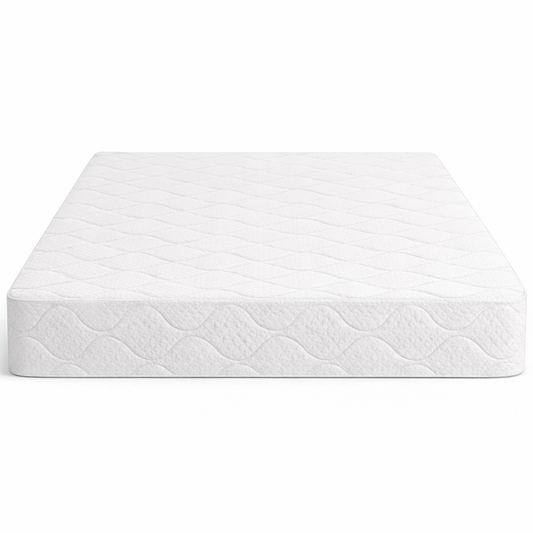
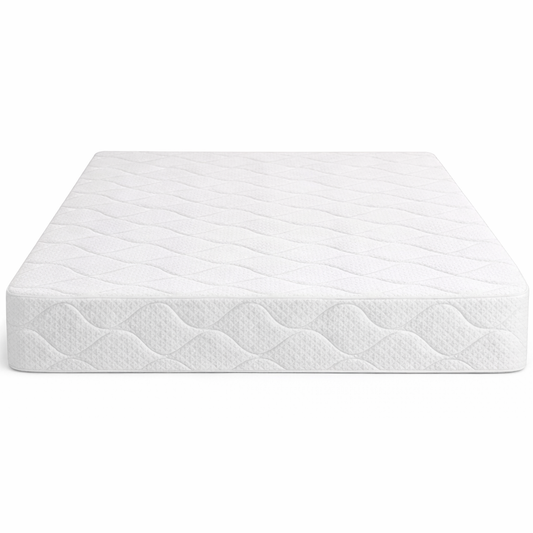
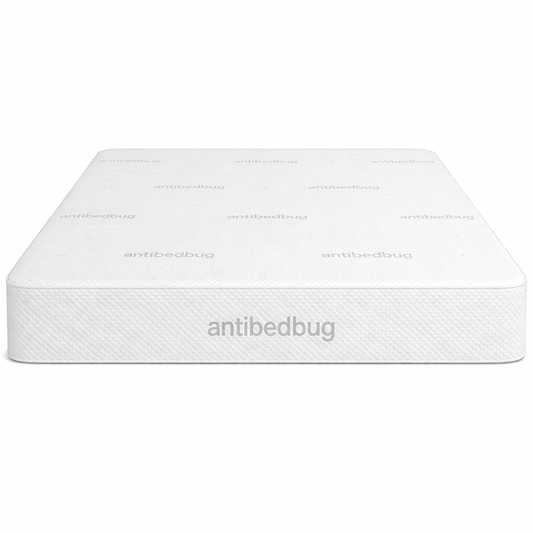
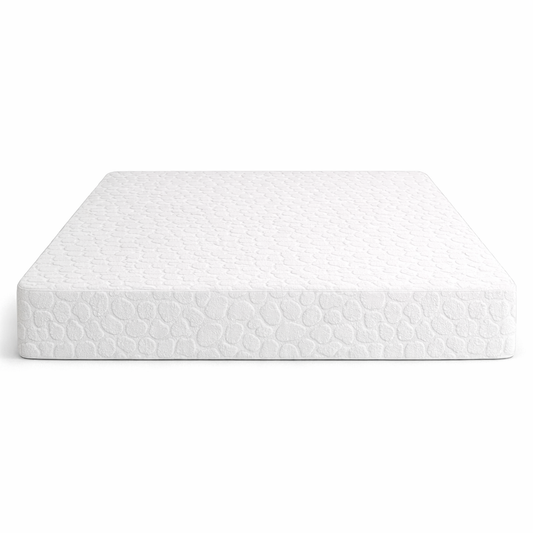
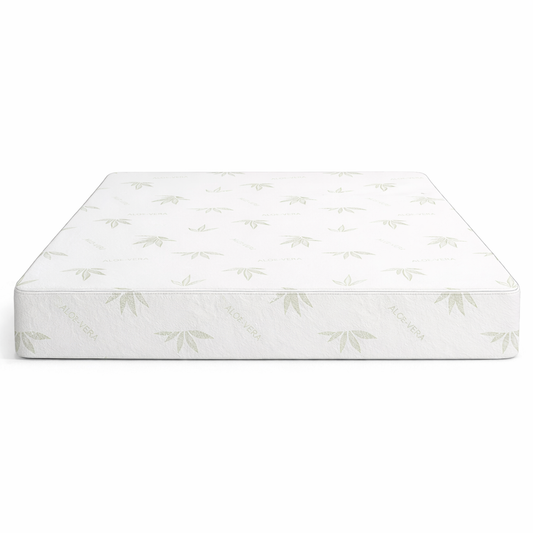
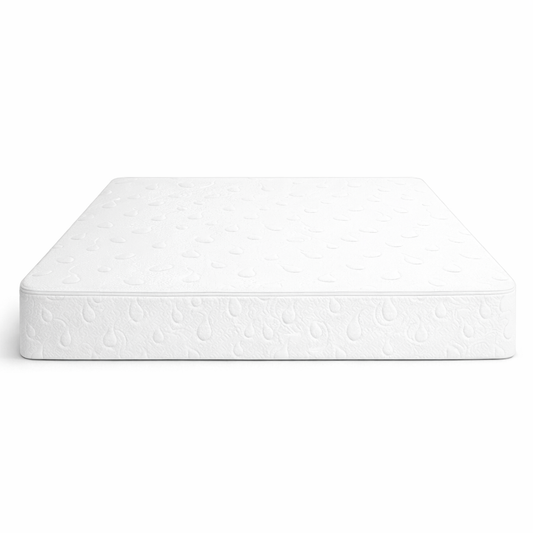
Perhaps the most important element of your sleep environment is your mattress. An uncomfortable, worn-out, or unsuitable mattress can sabotage even your best sleep efforts. The right mattress should provide proper spinal alignment, pressure relief, and comfort tailored to your sleeping position and body type.
If you're waking up with aches and pains, or if your mattress is over seven years old, it may be time for an upgrade. Explore our PureCloud Mattresses collection for premium options designed with advanced comfort technology, or browse our PureSleep Mattresses range for supportive sleep solutions. For those seeking luxury comfort, our Utopia Mattresses deliver exceptional quality and support.
If you're not ready to replace your entire mattress, a quality mattress topper can significantly improve comfort and support. Check out our Toppers collection for options that can transform your existing sleep surface.
2. Establish a Consistent Sleep Schedule
Your body operates on a circadian rhythm—an internal biological clock that regulates sleep-wake cycles over a 24-hour period. One of the most powerful ways to improve sleep quality is to align your sleep schedule with this natural rhythm.
The Power of Consistency
Going to bed and waking up at the same time every day—including weekends—helps regulate your circadian rhythm. This consistency strengthens your sleep-wake cycle, making it easier to fall asleep at night and wake up feeling refreshed in the morning.
When you maintain irregular sleep patterns, you essentially create a form of social jet lag, where your body never fully adjusts to a predictable schedule. This can lead to difficulty falling asleep, poor sleep quality, and daytime fatigue.
How to Establish Your Ideal Schedule
Start by determining how much sleep you need. Most adults require 7-9 hours per night, though individual needs vary. Calculate your ideal bedtime by counting backwards from when you need to wake up, adding 15-30 minutes for the time it typically takes you to fall asleep.
If your current schedule is far from ideal, don't try to change it overnight. Gradually shift your bedtime and wake time by 15-30 minutes every few days until you reach your target schedule. This gradual approach is much more sustainable than attempting a dramatic change all at once.
Weekend Sleep Patterns
While it's tempting to sleep in on weekends to "catch up" on lost sleep, this can actually disrupt your circadian rhythm and make Monday mornings even more difficult. Try to keep your weekend wake time within an hour of your weekday schedule. If you need extra rest, a short afternoon nap is preferable to sleeping late.
3. Create a Relaxing Pre-Sleep Routine
The hour before bed sets the stage for the quality of sleep you'll experience. A consistent, calming bedtime routine signals to your body and mind that it's time to transition from the activity of the day to the rest of night.
Wind-Down Activities
Choose relaxing activities that help you decompress from the day's stresses. Reading a physical book (not on a backlit device), gentle stretching, meditation, journaling, or listening to calming music can all be effective components of a bedtime routine.
The key is consistency—performing the same sequence of activities each night creates a powerful psychological association between these activities and sleep. Over time, simply beginning your routine will trigger drowsiness.
Progressive Muscle Relaxation
This evidence-based technique involves systematically tensing and then releasing different muscle groups throughout your body. Start with your toes and work your way up to your head, spending about 5-10 seconds tensing each muscle group before releasing the tension.
Progressive muscle relaxation reduces physical tension and mental stress, both of which can interfere with sleep. Many people find this practice particularly helpful for quieting racing thoughts and releasing the physical manifestations of stress.
Breathing Exercises
Controlled breathing activates your parasympathetic nervous system—the "rest and digest" system that counteracts stress responses. The 4-7-8 breathing technique is particularly effective: breathe in through your nose for 4 counts, hold for 7 counts, and exhale through your mouth for 8 counts. Repeat this cycle 3-4 times.
This breathing pattern slows your heart rate, lowers blood pressure, and promotes a state of calm that's conducive to sleep.
Prepare Your Sleep Environment
Make preparing your bedroom part of your routine. Adjust the temperature, close the curtains, turn down the lights, and ensure your bed is inviting. Taking these physical actions reinforces the mental transition toward sleep.
4. Manage Light Exposure Throughout the Day
Light is the most powerful regulator of your circadian rhythm. Strategic light exposure—getting bright light during the day and avoiding it at night—can dramatically improve sleep quality.
Morning Light Exposure
Exposure to bright light in the morning helps set your circadian clock and promotes alertness throughout the day. Try to get outside within an hour of waking, even on cloudy days. Natural outdoor light is significantly brighter than indoor lighting, even when it seems dim.
If getting outside isn't possible, sit near a window or consider using a light therapy box (10,000 lux) for 20-30 minutes in the morning. This is particularly important during darker winter months or if you wake before sunrise.
Daytime Light Exposure
Continue to seek bright light exposure throughout the day, particularly in the afternoon. This helps maintain the distinction between day and night in your circadian system. If you work indoors, take breaks outside when possible or position your workspace near windows.
Evening Light Reduction
As evening approaches, begin dimming lights in your home. This gradual reduction in light exposure signals to your body that bedtime is approaching. Use warm-toned, dim lighting rather than bright, cool-toned lights in the hours before bed.
Blue Light and Electronic Devices
The blue wavelengths emitted by phones, tablets, computers, and televisions are particularly effective at suppressing melatonin production. Ideally, avoid screens for 2-3 hours before bed. If this isn't realistic, use blue light filtering apps or glasses, enable "night mode" settings on devices, and keep screens at least arm's length away to minimize exposure.
Consider replacing evening screen time with other relaxing activities. The benefits extend beyond better sleep—many people find that reducing evening screen time improves their overall wellbeing and relationships.
5. Watch What You Eat and Drink
Your dietary choices, particularly in the hours before bed, can significantly impact sleep quality. Understanding the relationship between nutrition and sleep empowers you to make choices that support rather than sabotage your rest.
Caffeine Considerations
Caffeine has a half-life of about 5-6 hours, meaning that half of the caffeine from your afternoon coffee is still in your system 5-6 hours later. For some people, caffeine consumed even 12 hours before bed can disrupt sleep. If you're having trouble sleeping, try cutting off caffeine consumption by early afternoon, or eliminate it entirely for a week to see if your sleep improves.
Remember that caffeine isn't just in coffee—it's also found in tea, chocolate, soft drinks, energy drinks, and some medications. Check labels and be mindful of hidden sources.
Alcohol and Sleep
While alcohol might make you feel drowsy initially, it significantly disrupts sleep quality. Alcohol suppresses REM sleep (the restorative dream stage) and increases sleep fragmentation, leading to poor quality rest even if you spend adequate time in bed. It also relaxes throat muscles, which can worsen snoring and sleep apnea.
If you choose to drink alcohol, do so in moderation and finish at least 3-4 hours before bedtime to minimize sleep disruption.
Evening Meal Timing and Composition
Eating large, heavy meals close to bedtime can cause discomfort and indigestion that interferes with sleep. Try to finish dinner at least 2-3 hours before bed. If you need an evening snack, choose something light and easy to digest.
Some foods may actually promote sleep. Complex carbohydrates, foods containing tryptophan (like turkey, nuts, and seeds), and foods rich in magnesium (such as leafy greens, pumpkin seeds, and bananas) can support sleep quality. A small snack combining protein and complex carbohydrates—like whole grain crackers with cheese or a banana with almond butter—can help stabilize blood sugar throughout the night.
Hydration Balance
Staying hydrated is important for overall health, but drinking too much liquid close to bedtime can lead to disruptive nighttime bathroom trips. Taper your fluid intake in the evening, and try to use the bathroom right before bed. If you wake frequently to urinate, consider reducing evening fluids further and consulting a healthcare provider to rule out underlying issues.
6. Exercise Regularly (But Time It Right)
Regular physical activity is one of the most effective non-pharmaceutical interventions for improving sleep quality. Exercise helps regulate circadian rhythms, reduces stress and anxiety, and increases sleep pressure (the biological drive to sleep).
The Sleep Benefits of Exercise
People who exercise regularly fall asleep faster, experience deeper sleep, and wake less frequently during the night compared to sedentary individuals. Exercise is particularly effective for improving sleep in people with insomnia and other sleep disorders.
The benefits aren't limited to intense workouts—even moderate activity like brisk walking, swimming, or cycling can significantly improve sleep quality. Aim for at least 150 minutes of moderate aerobic activity or 75 minutes of vigorous activity per week, as recommended by health authorities.
Timing Your Workouts
While exercise generally improves sleep, vigorous exercise too close to bedtime can be stimulating and make it harder to fall asleep. Exercise raises core body temperature, increases heart rate, and triggers the release of stimulating hormones like cortisol and adrenaline.
For most people, finishing vigorous exercise at least 3-4 hours before bedtime allows sufficient time for body temperature and arousal levels to decrease. However, individual responses vary—some people can exercise in the evening without sleep disruption, while others are more sensitive.
Morning or afternoon exercise may provide additional circadian benefits by reinforcing the distinction between active daytime hours and restful nighttime hours.
Gentle Evening Movement
While vigorous exercise should be avoided close to bedtime, gentle movement like yoga, stretching, or leisurely walking can be beneficial parts of an evening routine. These activities promote relaxation without the stimulating effects of intense exercise.
7. Manage Stress and Quiet Your Mind
Mental and emotional stress are among the most common causes of sleep difficulties. Racing thoughts, worry, and anxiety can make it nearly impossible to fall asleep or return to sleep after waking during the night.
Cognitive Strategies
If worries keep you awake, try the "worry dump" technique: earlier in the evening (not right before bed), spend 15 minutes writing down everything on your mind—concerns, to-do items, unresolved issues. This externalization helps clear your mind and provides a sense that you've addressed these concerns.
For persistent racing thoughts at bedtime, try the "cognitive shuffle" technique: think of a random, emotionally neutral word (like "garden"), then visualize objects starting with each letter in sequence (G: gate, grapes, gloves; A: apple, anchor, apron, etc.). This occupies your mind with non-threatening content and prevents worry spirals.
Meditation and Mindfulness
Regular meditation practice can significantly improve sleep quality by reducing overall stress levels and teaching you to observe thoughts without engaging with them. Even 10 minutes of daily meditation can make a difference.
Mindfulness meditation for sleep focuses on present-moment awareness—noticing physical sensations, breath, and sounds without judgment. When your mind wanders to thoughts or worries, gently redirect attention back to the present moment. This practice reduces the mental arousal that interferes with sleep.
The Quarter-Hour Rule
If you can't fall asleep within about 15-20 minutes, or if you wake during the night and can't return to sleep, get out of bed and do a quiet, relaxing activity in dim light until you feel sleepy. This prevents your brain from associating your bed with wakefulness and frustration.
Choose genuinely boring or relaxing activities—reading something unstimulating, listening to calm music, or doing gentle stretches. Avoid anything engaging or stimulating, including checking your phone or watching television.
Professional Support
If stress, anxiety, or depression are significantly impacting your sleep, consider working with a mental health professional. Cognitive Behavioral Therapy for Insomnia (CBT-I) is particularly effective and addresses the thoughts and behaviors that interfere with sleep.
8. Limit Daytime Napping
While napping can be beneficial in certain circumstances, poorly timed or excessive napping can interfere with nighttime sleep by reducing sleep pressure—your body's drive to sleep.
Strategic Napping
If you choose to nap, keep it short (20-30 minutes) and schedule it for early afternoon (before 3 PM). This timing and duration provide restorative benefits without significantly impacting nighttime sleep or causing sleep inertia (that groggy feeling after waking from a deep sleep).
Short naps can improve alertness, mood, and performance without entering deep sleep stages. Once you sleep longer than 30 minutes, you risk entering slow-wave sleep, which makes waking more difficult and can leave you feeling disoriented.
When to Avoid Napping
If you have difficulty falling asleep at night or maintaining sleep, it's best to avoid napping altogether. This builds sleep pressure throughout the day, making it easier to fall asleep at your desired bedtime.
The exception is if you're acutely sleep-deprived due to unusual circumstances—in this case, a short nap can improve safety and function. However, chronic sleep deprivation should be addressed by improving nighttime sleep rather than relying on naps.
Alternative Energy Boosters
If you feel drowsy during the day, try alternatives to napping: take a brief walk outside, do some light stretching, drink water (dehydration causes fatigue), or expose yourself to bright light. These strategies can provide an energy boost without impacting nighttime sleep.
9. Be Mindful of Sleep Position and Comfort
How you position yourself during sleep affects both sleep quality and how you feel upon waking. The right sleep position can reduce pain, improve breathing, and promote more restful sleep.
Sleep Position Considerations
Back sleeping is generally considered optimal for spinal alignment and reducing pressure points, though it can worsen snoring and sleep apnea. Side sleeping is the most common position and can be excellent for spinal health when properly supported—it's particularly beneficial for reducing snoring and is recommended during pregnancy.
Stomach sleeping is generally the least recommended position as it can strain the neck and lower back, though some people find it most comfortable. If you're a stomach sleeper, using a very thin pillow or no pillow can help reduce neck strain.
Pillow Support
Your pillow should maintain neutral spinal alignment. Back sleepers typically need a medium-thickness pillow that supports the natural curve of the neck. Side sleepers usually need a thicker, firmer pillow to fill the space between the shoulder and head. Stomach sleepers should use a very thin pillow or none at all.
Consider your pillow's age and condition—pillows should typically be replaced every 1-2 years as they lose support and accumulate allergens.
Additional Support
Strategic pillow placement can enhance comfort: side sleepers often benefit from a pillow between the knees to maintain hip alignment, back sleepers may find relief with a pillow under the knees to reduce lower back pressure, and stomach sleepers might place a thin pillow under the pelvis to reduce back strain.
Mattress Compatibility
Your mattress should complement your sleep position. Side sleepers typically need a softer surface that cushions shoulders and hips, back sleepers benefit from medium firmness that supports the spine while allowing slight contouring, and stomach sleepers usually need a firmer surface to prevent the midsection from sinking.
If your current mattress doesn't provide adequate support for your preferred sleep position, explore our mattress collections designed for different sleep needs: PureCloud Mattresses, PureSleep Mattresses, and Utopia Mattresses. Alternatively, a quality mattress topper can adjust your current sleep surface to better suit your needs.
10. Understand When to Seek Professional Help
While the strategies outlined in this guide can significantly improve sleep for most people, persistent sleep problems may indicate an underlying sleep disorder that requires professional evaluation and treatment.
Warning Signs
Consider consulting a healthcare provider or sleep specialist if you experience: chronic difficulty falling or staying asleep (more than three nights per week for three months or longer), loud snoring accompanied by breathing pauses or gasping, excessive daytime sleepiness despite adequate time in bed, uncomfortable sensations in your legs that interfere with sleep, or unusual behaviors during sleep such as sleepwalking or acting out dreams.
Common Sleep Disorders
Insomnia is characterized by difficulty falling asleep, staying asleep, or waking too early despite adequate opportunity for sleep. Cognitive Behavioral Therapy for Insomnia (CBT-I) is the first-line treatment and is highly effective.
Sleep apnea involves repeated breathing interruptions during sleep, leading to fragmented sleep and low oxygen levels. It's a serious condition that increases risk for cardiovascular disease, diabetes, and other health problems. Treatment options include CPAP therapy, oral appliances, positional therapy, and in some cases, surgery.
Restless Legs Syndrome causes uncomfortable sensations in the legs and an irresistible urge to move them, particularly when trying to sleep. Various treatments can provide relief, including lifestyle changes, supplements, and medications.
Circadian rhythm disorders occur when your internal clock is misaligned with your desired or required sleep schedule. These can often be treated with strategic light exposure, melatonin supplementation, and behavioral interventions.
The Importance of Professional Evaluation
A sleep specialist can conduct a thorough evaluation, which may include a sleep study (polysomnography) to monitor your brain waves, breathing, heart rate, and movements during sleep. This objective data can identify issues that aren't apparent from symptoms alone.
Don't hesitate to seek help—sleep disorders are common, treatable, and addressing them can dramatically improve your health, safety, and quality of life.
Creating Your Personal Sleep Improvement Plan
Now that you understand these ten evidence-based strategies for better sleep, it's time to create your personal implementation plan. Trying to change everything at once can be overwhelming and unsustainable, so consider a gradual approach.
Start With the Basics
Begin by addressing the fundamentals: ensure your sleep environment is conducive to rest (cool, dark, quiet, and comfortable), establish a consistent sleep schedule, and create a relaxing pre-sleep routine. These foundational changes often provide the most significant improvements.
Evaluate your current mattress and bedding. If you're sleeping on an old, uncomfortable, or unsupportive mattress, this single change could transform your sleep quality. Explore our range of premium sleep solutions, including our PureCloud Mattresses for advanced comfort technology, PureSleep Mattresses for reliable support, and Utopia Mattresses for luxury sleep experiences. If you're not ready for a new mattress, our mattress toppers can significantly enhance your current sleep surface.
Add Strategies Gradually
Once you've established the basics, add additional strategies one or two at a time. You might focus on light management one week, then add dietary considerations the next. This gradual approach allows you to identify which strategies provide the most benefit for your individual situation.
Track Your Progress
Keep a simple sleep diary for at least two weeks, noting your bedtime, wake time, estimated time to fall asleep, number of nighttime awakenings, and how rested you feel in the morning. Also note factors that might affect sleep: caffeine intake, exercise, stress levels, and any strategies you're implementing.
This tracking helps you identify patterns and determine which interventions are most effective for you. Sleep apps and wearable devices can provide additional data, though they're not as accurate as professional sleep studies.
Be Patient and Consistent
Sleep improvements don't always happen overnight. Some strategies, particularly those involving circadian rhythm adjustment, may take several weeks to show full benefits. Consistency is key—stick with your new habits even if you don't see immediate results.
If you've implemented multiple strategies consistently for 4-6 weeks without significant improvement, it may be time to consult a healthcare provider to rule out underlying sleep disorders.
The Broader Benefits of Better Sleep
Improving your sleep quality creates a positive ripple effect throughout your life. Quality sleep enhances cognitive function, including memory consolidation, learning, creativity, and problem-solving abilities. It strengthens your immune system, making you more resilient to illness. It supports emotional regulation, reducing irritability and improving mood. It aids physical recovery and performance, whether you're an athlete or simply navigating daily activities.
Better sleep also supports healthy metabolism and weight management, reduces inflammation, lowers risk for chronic diseases including cardiovascular disease and diabetes, and may even increase longevity. The investment you make in improving your sleep pays dividends across every aspect of your health and wellbeing.
Conclusion: Your Path to Restorative Sleep
Quality sleep is not a luxury—it's a fundamental pillar of health as important as nutrition and exercise. By implementing the ten strategies outlined in this guide, you're taking meaningful steps toward the restorative rest your body and mind need to function optimally.
Remember that everyone's sleep needs and responses to different strategies are unique. What works perfectly for one person may need adjustment for another. Be patient with yourself as you experiment with these approaches, and don't hesitate to seek professional guidance if sleep problems persist.
Your journey to better sleep starts with a single step—or in this case, a single night. Choose one or two strategies from this guide to implement tonight. Create an environment that supports rest, establish routines that signal your body it's time to sleep, and give yourself permission to prioritize this essential aspect of health.
Sweet dreams, and here's to waking up refreshed, restored, and ready to embrace each new day with energy and vitality.