How Sleep Cycles Work: Understanding REM and Deep Sleep

How Sleep Cycles Work: Understanding REM and Deep Sleep
Getting a good night's sleep isn't just about the number of hours you spend in bed—it's about the quality of those hours and how well you progress through your natural sleep cycles. Understanding how sleep cycles work, particularly REM and deep sleep stages, can help you optimize your rest and wake up feeling truly refreshed.
In this comprehensive guide, we'll explore the science behind sleep cycles, why REM and deep sleep are crucial for your health, and how your mattress plays a vital role in achieving restorative sleep.
What Are Sleep Cycles?
Sleep isn't a single, uniform state. Throughout the night, your brain and body move through distinct stages of sleep in roughly 90-minute cycles. Most adults experience 4-6 complete sleep cycles per night, with each cycle containing different stages that serve unique restorative functions.
A typical sleep cycle includes:
- Stage 1: Light sleep (transition phase)
- Stage 2: Light sleep (deeper relaxation)
- Stage 3: Deep sleep (physical restoration)
- REM Sleep: Rapid Eye Movement (mental restoration and dreaming)
Understanding these stages helps explain why you might feel groggy if you wake during deep sleep, or why a full night's rest feels so different from a nap.
The Four Stages of Sleep Explained
Stage 1: Light Sleep (N1)
Duration: 1-5 minutes
What happens: This is the transition between wakefulness and sleep. Your muscles begin to relax, breathing slows, and brain wave activity starts to decrease. You can be easily awakened during this stage.
Characteristics:
- Lightest stage of sleep
- Muscle twitches or sudden jerks (hypnic jerks) are common
- Eyes move slowly under closed eyelids
- Accounts for about 5% of total sleep time
Stage 2: Light Sleep (N2)
Duration: 10-25 minutes (lengthens with each cycle)
What happens: Your body temperature drops, heart rate slows, and eye movements stop. Brain waves slow down with occasional bursts of rapid activity called sleep spindles, which help consolidate memories and process information.
Characteristics:
- Deeper relaxation than Stage 1
- Body prepares for deep sleep
- Accounts for about 45-55% of total sleep time
- Still relatively easy to wake from, but less so than Stage 1
Why it matters: Stage 2 sleep is crucial for memory consolidation and learning. Your brain processes and stores information gathered during the day.
Stage 3: Deep Sleep (N3 or Slow-Wave Sleep)
Duration: 20-40 minutes (longer in early cycles, shorter later)
What happens: This is the most restorative stage of sleep. Brain waves slow dramatically into delta waves, and it becomes much harder to wake someone. If awakened during deep sleep, you'll likely feel disoriented and groggy.
Characteristics:
- Deepest, most restorative sleep stage
- Delta brain waves dominate
- Blood pressure drops, breathing slows
- Muscles are completely relaxed
- Blood flow to muscles increases
- Accounts for about 15-25% of total sleep time
Physical restoration during deep sleep:
- Tissue growth and repair
- Muscle building and recovery
- Immune system strengthening
- Energy restoration
- Hormone regulation (including growth hormone release)
- Cellular regeneration
Why it matters: Deep sleep is essential for physical recovery, immune function, and feeling refreshed. Athletes, people recovering from illness, and anyone engaged in physical activity need adequate deep sleep for optimal performance and health.
REM Sleep: Rapid Eye Movement
Duration: 10 minutes initially, up to 60 minutes in later cycles
What happens: Your brain becomes highly active—almost as active as when you're awake. Eyes move rapidly beneath closed lids, breathing becomes irregular, heart rate and blood pressure increase, and vivid dreams occur. Paradoxically, your voluntary muscles become temporarily paralyzed (except for eyes and breathing muscles).
Characteristics:
- Brain activity similar to waking state
- Rapid eye movements
- Vivid, narrative dreams
- Temporary muscle paralysis (atonia)
- Increased heart rate and breathing
- Accounts for about 20-25% of total sleep time
Mental restoration during REM sleep:
- Memory consolidation (especially emotional and procedural memories)
- Learning and skill development
- Creative problem-solving
- Emotional regulation and processing
- Brain development (especially important in infants and children)
Why it matters: REM sleep is crucial for cognitive function, emotional health, creativity, and memory. Lack of REM sleep can lead to difficulty concentrating, mood disturbances, and impaired learning.
How Sleep Cycles Progress Throughout the Night
Sleep cycles aren't identical—they change as the night progresses:
Early Night (First 1-3 cycles):
- Longer periods of deep sleep (Stage 3)
- Shorter REM periods (10-15 minutes)
- Focus on physical restoration
Late Night/Early Morning (Last 2-3 cycles):
- Shorter or absent deep sleep periods
- Longer REM periods (up to 60 minutes)
- Focus on mental restoration and dreaming
This is why waking up naturally in the morning often coincides with the end of a REM period—you're more likely to remember dreams and feel less groggy.
Why Both REM and Deep Sleep Are Essential
Deep Sleep Benefits:
- Physical recovery: Repairs muscles, tissues, and cells
- Immune function: Strengthens your body's defense system
- Energy restoration: Replenishes glucose stores in the brain
- Hormone regulation: Releases growth hormone for development and repair
- Detoxification: Brain clears metabolic waste products
REM Sleep Benefits:
- Memory consolidation: Transfers information from short-term to long-term memory
- Emotional processing: Helps regulate mood and process emotions
- Learning enhancement: Solidifies new skills and knowledge
- Creativity boost: Facilitates creative thinking and problem-solving
- Brain development: Essential for neural development, especially in children
The balance matters: You need both deep sleep and REM sleep for optimal health. Disruption to either stage can lead to fatigue, cognitive impairment, mood issues, and long-term health problems.
What Disrupts Sleep Cycles?
Several factors can prevent you from completing healthy sleep cycles:
Environmental factors:
- Uncomfortable mattress or pillow
- Room temperature too hot or cold
- Noise and light pollution
- Poor air quality
Lifestyle factors:
- Irregular sleep schedule
- Caffeine or alcohol consumption
- Late-night screen time (blue light exposure)
- Heavy meals before bed
- Lack of physical activity
Health factors:
- Sleep disorders (sleep apnea, insomnia, restless leg syndrome)
- Chronic pain or discomfort
- Stress and anxiety
- Medications
- Hormonal changes
Age-related changes:
- Older adults typically experience less deep sleep
- Sleep becomes more fragmented with age
- REM sleep may decrease slightly
How Your Mattress Affects Sleep Cycles
Your mattress plays a crucial role in achieving uninterrupted sleep cycles. Here's how:
Pressure Relief and Deep Sleep
To reach and maintain deep sleep, your body needs to be completely relaxed. A mattress that creates pressure points on your shoulders, hips, or lower back will cause micro-awakenings that fragment your sleep cycles.
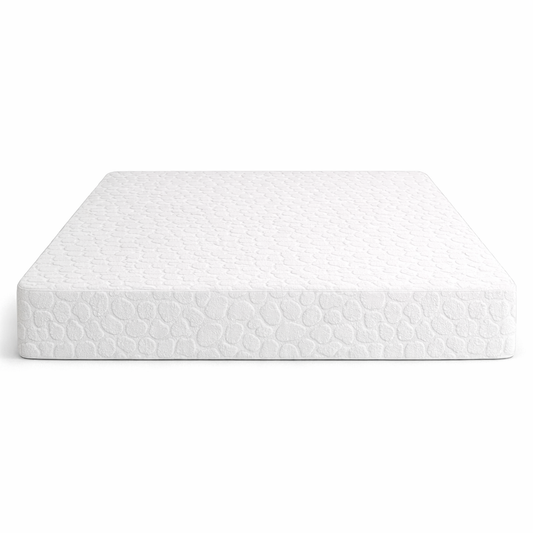
Memory foam mattresses like our PureSleep range excel at pressure relief by contouring to your body shape, allowing muscles to fully relax and promoting longer periods of deep sleep.
Temperature Regulation and REM Sleep
Body temperature naturally drops during sleep, and overheating can disrupt REM sleep in particular. If you wake up hot and sweaty, you're likely interrupting your REM cycles.
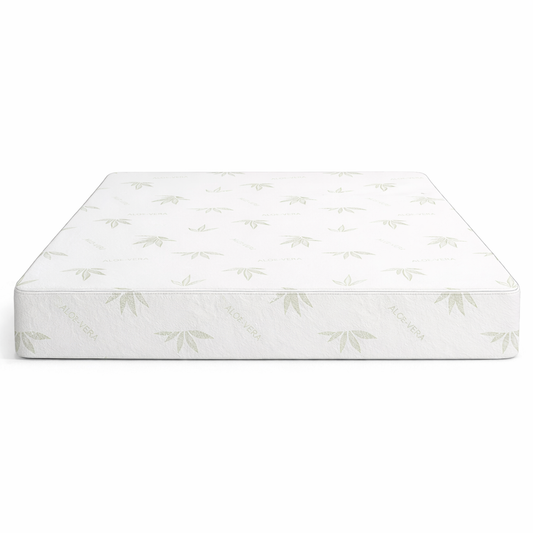
Cooling mattresses with technologies like GelFlex (found in our PureCloud Gel Flex Air 2000) or breathable pocket springs help regulate temperature throughout the night, protecting your REM sleep.
Motion Isolation for Uninterrupted Cycles
If you share your bed, your partner's movements can wake you during lighter sleep stages, preventing you from reaching or maintaining deep sleep and REM sleep.
Memory foam and pocket sprung mattresses with good motion isolation ensure that movement on one side of the bed doesn't disturb the other sleeper's cycles.
Support and Spinal Alignment
Poor spinal alignment causes discomfort that can wake you repeatedly, fragmenting your sleep cycles. Proper support allows you to stay in each sleep stage longer.
Orthopaedic mattresses like our Ortho Core 2000 or Medi Care range provide the spinal support needed for uninterrupted sleep cycles.
Signs You're Not Getting Enough Deep Sleep or REM Sleep
Insufficient Deep Sleep:
- Waking up feeling unrefreshed despite adequate sleep hours
- Frequent illness (weakened immune system)
- Difficulty recovering from exercise
- Increased appetite and weight gain
- Reduced physical performance
Insufficient REM Sleep:
- Difficulty concentrating or remembering things
- Mood swings or irritability
- Reduced creativity and problem-solving ability
- Increased emotional reactivity
- Daytime sleepiness despite sleeping enough hours
How to Optimize Your Sleep Cycles
1. Maintain a Consistent Sleep Schedule
Go to bed and wake up at the same time every day, even on weekends. This helps regulate your circadian rhythm and optimize the natural progression of sleep cycles.
2. Create the Ideal Sleep Environment
- Temperature: Keep your bedroom cool (16-19°C is ideal)
- Darkness: Use blackout curtains or an eye mask
- Quiet: Minimize noise with earplugs or white noise
- Comfort: Invest in a quality mattress and pillows
3. Choose the Right Mattress
Your mattress should:
- Provide pressure relief for deep sleep
- Regulate temperature for REM sleep
- Offer proper spinal support
- Minimize motion transfer if sharing
Recommended Snoozopia mattresses for optimal sleep cycles:
- For hot sleepers: Cool Care, Air Cool, or Gel Flex Air 2000
- For pressure relief: Deluxe, Solar, or Memory Comfort 2000
- For orthopaedic support: Ortho Core 2000, Rhea, or Medi Care 6"
4. Limit Sleep Disruptors
- Avoid caffeine 6+ hours before bed
- Limit alcohol (it disrupts REM sleep)
- Reduce screen time 1-2 hours before bed
- Avoid heavy meals close to bedtime
5. Develop a Relaxing Bedtime Routine
- Read a book
- Practice gentle stretching or yoga
- Take a warm bath
- Practice meditation or deep breathing
- Listen to calming music
6. Get Regular Exercise
Physical activity promotes deeper sleep, but avoid vigorous exercise within 3 hours of bedtime as it can be stimulating.
7. Manage Stress
Chronic stress disrupts both deep sleep and REM sleep. Practice stress-management techniques like journaling, meditation, or talking to a therapist.
Understanding Sleep Cycle Duration and Timing
The 90-Minute Rule
Since sleep cycles last approximately 90 minutes, you can optimize your wake time by planning sleep in 90-minute increments:
- 6 hours = 4 complete cycles
- 7.5 hours = 5 complete cycles
- 9 hours = 6 complete cycles
Waking up at the end of a cycle (rather than in the middle of deep sleep) helps you feel more refreshed and alert.
Individual Variations
Sleep cycle length varies between individuals (typically 80-120 minutes). Pay attention to when you naturally wake up feeling refreshed to identify your personal cycle length.
Sleep Cycles Across the Lifespan
Infants and Children
- Spend up to 50% of sleep time in REM (crucial for brain development)
- Sleep cycles are shorter (50-60 minutes)
- More frequent night wakings are normal
Teenagers
- Need 8-10 hours of sleep
- Circadian rhythm shifts later (natural tendency to stay up late)
- REM sleep remains high for continued brain development
Adults
- Need 7-9 hours of sleep
- Balanced distribution of deep sleep and REM
- Sleep cycles stabilize at 90-110 minutes
Older Adults
- Deep sleep decreases significantly
- More time in lighter sleep stages
- More frequent night wakings
- May need to compensate with naps or earlier bedtimes
When to Seek Professional Help
Consult a sleep specialist if you experience:
- Chronic difficulty falling or staying asleep
- Loud snoring or gasping during sleep (possible sleep apnea)
- Excessive daytime sleepiness despite adequate sleep time
- Frequent nightmares or sleep disturbances
- Restless legs or periodic limb movements
- Persistent fatigue affecting daily life
The Bottom Line: Respect Your Sleep Cycles
Understanding how sleep cycles work empowers you to make better decisions about your sleep health. Both REM and deep sleep are essential for physical recovery, mental clarity, emotional balance, and overall wellbeing.
Key takeaways:
- Complete sleep cycles last approximately 90 minutes
- Deep sleep (Stage 3) handles physical restoration
- REM sleep manages mental and emotional processing
- Both stages are essential—you can't sacrifice one for the other
- Your mattress significantly impacts your ability to achieve quality sleep cycles
- Consistency, environment, and lifestyle choices all affect sleep quality
Upgrade Your Sleep Cycles with the Right Mattress
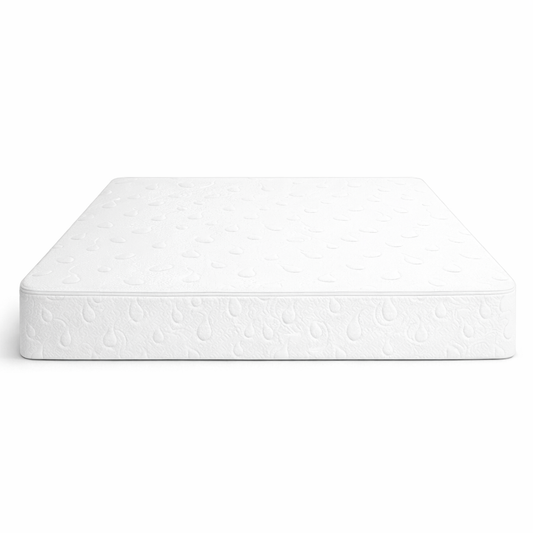
If you're not waking up refreshed despite spending enough time in bed, your mattress might be disrupting your sleep cycles. Explore our range of UK-made mattresses designed to support healthy sleep:
-
PureSleep Mattresses
- Memory foam comfort for pressure-free deep sleep
-
PureCloud Mattresses
- Advanced cooling and support for uninterrupted REM sleep
-
Utopia Mattresses
- Affordable comfort that doesn't compromise on sleep quality
-
Mattress Toppers
- Upgrade your existing mattress for better sleep cycles
All Snoozopia mattresses feature hypoallergenic materials, removable covers, and are made in the UK. Available in all sizes with free delivery.
Ready to optimize your sleep cycles? Browse our collections or contact our sleep experts for personalized recommendations.